TÜV NORD GROUP drives growth in safety-relevant markets
The TÜV NORD GROUP increases turnover by 6.0 percent to EUR 1.795 billion in the 2025 fiscal year.
The TÜV NORD GROUP increases turnover by 6.0 percent to EUR 1.795 billion in the 2025 fiscal year.
Geopolitical tensions, hybrid threats and technological disruptions such as artificial intelligence are fundamentally changing the framework conditions for business and society. “This new reality also presents the TÜV NORD GROUP with expanded tasks, which we are tackleing head-on”, CEO Dirk Stenkamp pointed out at the annual press conference in Hanover: “Companies must adapt their structures to security-relevant requirements. With our technical expertise, our experts are already strengthening globally the security and resilience of central infrastructures and industrial systems.”
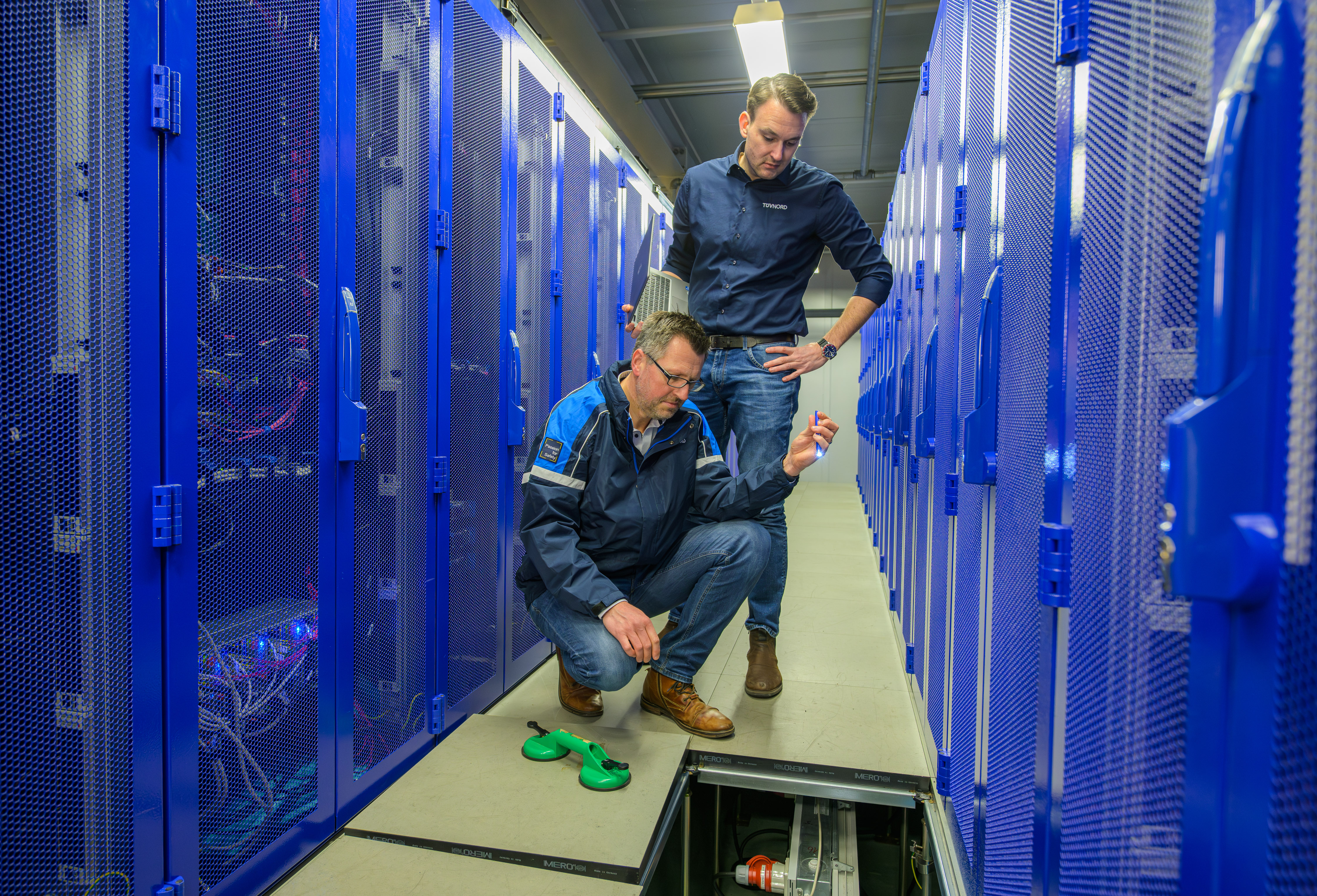
With the European NIS2 Directive, around 30,000 companies in Germany are subject to extended reporting obligations. At the same time, the German KRITIS-Dachgesetz (CI Umbrella Act), which came into force some weeks ago, creates a new framework for the protection of critical infrastructures. Key areas such as energy and water supply, IT and communication networks, logistics and transport as well as industrial plants and data centres are particularly affected.
Dirk Stenkamp: “The power outage in Berlin at the turn of the year following a targeted attack showed just how vulnerable critical infrastructures are. Such incidents emphasise that it is imperative to continuously review security measures and make systems more resilient while respecting data protection. Thanks to our broad technical expertise, risks are identified at an early stage and the resilience of critical infrastructure is strengthened in the long term, e.g. in data centres, at energy suppliers and hospitals. These tasks will increasingly become the focus of our activities in the years to come.”
57 percent of respondents of a survey conducted by an independent institute on behalf of the TÜV NORD GROUP (“Critical infrastructure from the consumers’ perspective”, 1,005 participants in Germany, period 20 – 27 March 2026) highlight the key role of testing and certification organisations in monitoring and assessment of security measures for the protection of critical infrastructures. The respondents link objectivity and ability to early identify weak points with TÜV NORD – competencies that they do not attribute to either the CI companies themselves or government bodies to the same extent. Independent testing organisations are thus assigned a key role in ensuring compliance with standards in critical infrastructure.
In light of ongoing global tensions and conflicts, Dirk Stenkamp, who will also take over the chairmanship of the TÜV Association in Berlin in June 2026, said that the TÜV companies are already working in fields relating to security and resilience. As examples for TÜV NORD’s work he named testing and certification of drones, audits at defense industry suppliers, and the assessment of the military load-bearing capacity of roads, bridges and railways. With core services such as materials testing and certification, and thanks to their international presence, testing companies such as TÜV NORD are generally well positioned to effectively disburden and accelerate the increasingly large-scale and complex procurement processes in the military sector.
In the 2025 reporting period, the Group increased its revenue to EUR 1.795 billion (previous year: EUR 1.694 billion). EBIT grew by 5 million to EUR 94.8 million. The return on sales remained stable at 5.3 percent. CFO Jürgen Himmelsbach: “We are experiencing dynamic growth, particularly internationally, from which the entire company is benefiting. Domestic cost increases can only be offset to a limited extent, as statutory fee regulations often apply and customers themselves are under financial pressure. To offset this market environment, which has been in recession for several years now, we have launched internal efficiency programmes to reduce expenditure even further. At the same time, we are accelerating digital processes and the use of artificial intelligence, and making targeted investments in areas where security and social responsibility come together, for example in the areas of critical infrastructure and cybersecurity.” Mr. Himmelsbach emphasized the acquisition of the globally active EPI companies, headquartered in Singapore. The TÜV NORD GROUP is thus establishing itself as an international market leader in audit, certification and training services for data centres.
Contrary to the general economic trend, the TÜV NORD GROUP was able to increase the number of its employees worldwide to 15,781 (headcount) in the reporting period. “Especially in a challenging environment, this growth is anything but a matter of course for us,” said Jürgen Himmelsbach. “This shows the trust placed in us and how our high standards of quality have a strong impact.“ All business units are expending innovation and digitalisation projects to establish new services, particularly those based on AI. These projects will continue to require qualified and motivated staff from a wide range of specialist fields.
For the current fiscal year, the TÜV NORD GROUP expects demand for independent testing and security services to remain high, especially in the defense and resilience areas of growth. Dirk Stenkamp: “Safety is the prerequisite for economic efficiency, the state’s ability to act and social stability. Our aim is to make this security measurable, testable and resilient – as an independent partner to business, government and society.”


Founded over 150 years ago, we stand for security and trust worldwide. As a knowledge company, we have our sights firmly set on the digital future. Whether engineers, IT security experts or specialists for the mobility of the future: in more than 100 countries, we ensure that our customers become even more successful in the networked world.