Two out of three lifts have faults
According to an analysis by TÜV NORD, around two-thirds of the more than 100,000 lifts inspected in 2025 had defects.
According to an analysis by TÜV NORD, around two-thirds of the more than 100,000 lifts inspected in 2025 had defects.
Last year, 66.6 percent of all lifts inspected by TÜV NORD had defects. This is according to a recent analysis of lifts inspected in 2025. Minor defects were found in 58.3 percent of cases, and significant defects in 8.0 per cent. 0.3 percent of the inspected lifts even had dangerous defects – that is, more than one in every 300 lifts. The 2025 Anlagensicherheitsreport published today by the TÜV Verband in Berlin paints a similar picture at national level.
“Lifts are complex systems that must function flawlessly in every situation,” says Sascha Drießen, Head of Real Estate West at TÜV NORD. “To prevent accidents and breakdowns, we strongly recommend that inspections and ongoing maintenance are not taken lightly.”
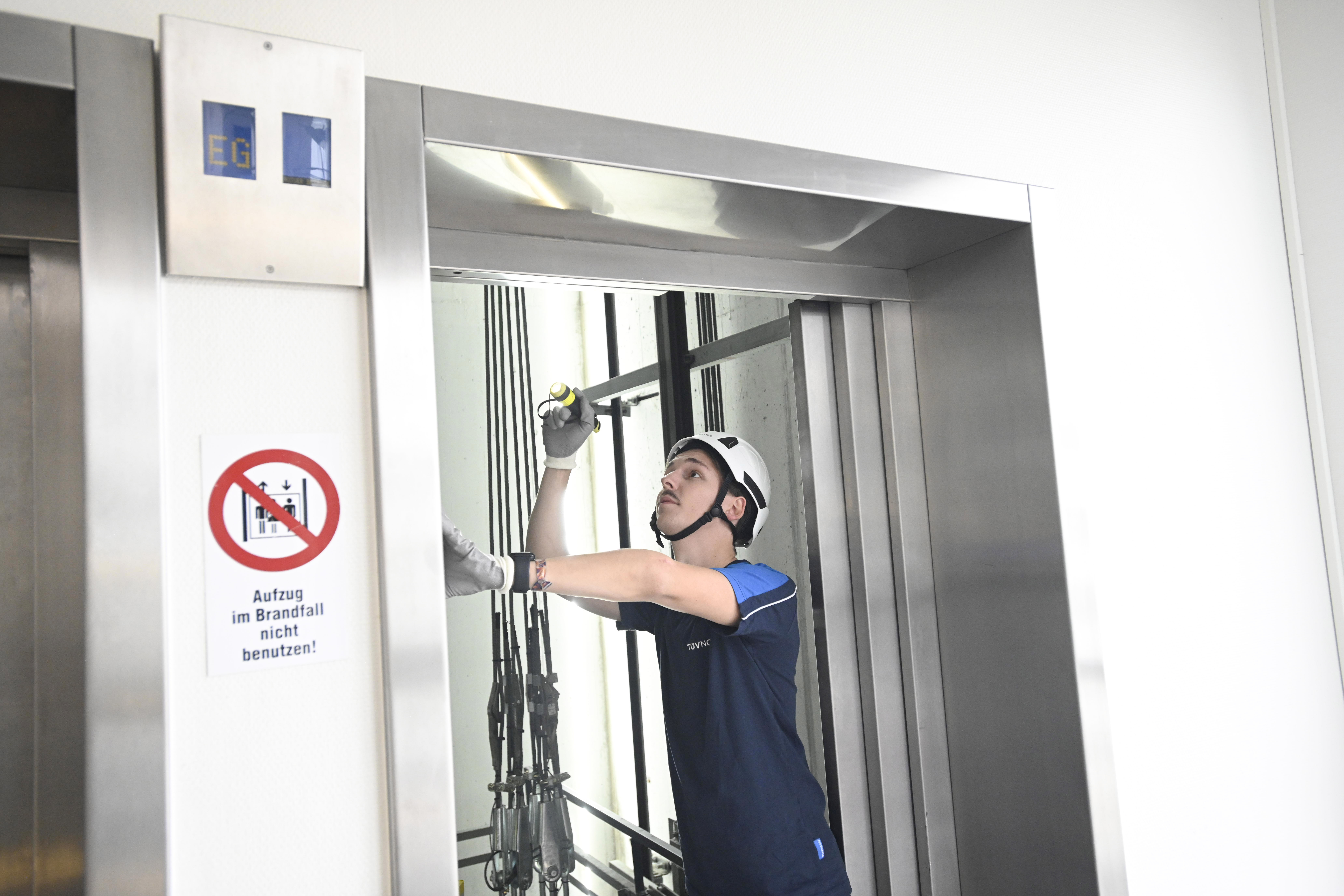
Significant defects endanger the safety of passengers and maintenance staff. These defects must be rectified promptly, and this is documented in a follow-up inspection. Examples include worn cables and belts, or defects in the electrical safety equipment such as insulation faults or faulty earthing.
The category of dangerous defects includes a missing or defective safety gear, a defective speed limiter, a non-functioning emergency call system and defective shaft and car doors. Such defects can lead to the immediate shutdown of the lift system, as they pose a direct threat to life and limb.
Minor defects include the failure of individual light bulbs in the cabin, the shaft or the machine room; missing or illegible information regarding, for example, load capacity or emergency calls; or an operating log that is not up to date. Such defects are merely noted in the inspection report and must be rectified, though no follow-up inspection is required.
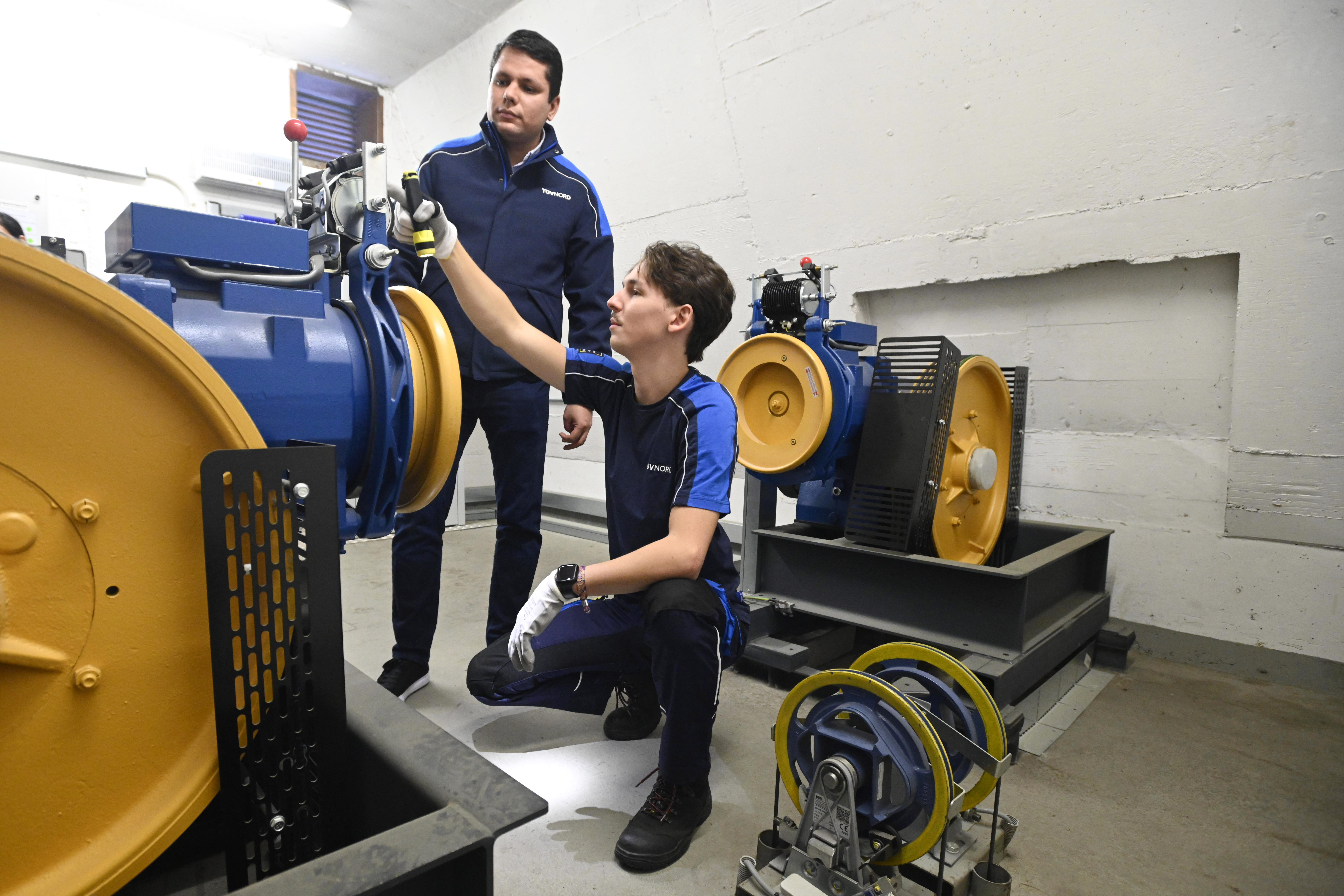
During the inspection by experts from an Approved Inspection Body (ZÜS), such as TÜV NORD, specialist staff from a lift maintenance company are usually present. In some cases, they can rectify the reported minor defects immediately.
More and more lift systems are networked with one another and with building services. They can be used as a gateway for cyber attacks. For this reason, lift operators have been required for the past three years to implement and document protective measures against cyber attacks. Failure to do so is documented as a minor defect.


Founded over 150 years ago, we stand for security and trust worldwide. As a knowledge company, we have our sights firmly set on the digital future. Whether engineers, IT security experts or specialists for the mobility of the future: in more than 100 countries, we ensure that our customers become even more successful in the networked world.