Whether it's in-car navigation, accurate weather forecasting or global communications, many aspects of modern life would not be possible without satellites in space. As our dependence on these systems continues to grow, so too do expectations regarding their reliability. To address this, the TÜV NORD GROUP, together with its subsidiary ALTER | HTV, is strategically expanding its activities in the field of so-called relifing procedures.
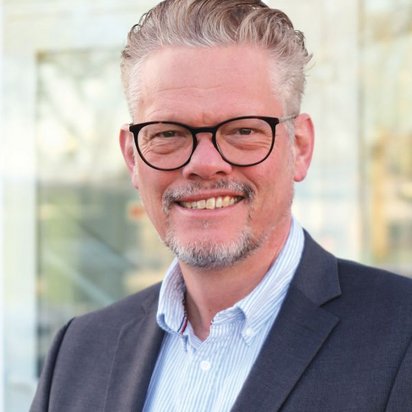
“Many people underestimate just how much their daily lives depend on reliable space systems,” says Holger Krumme, Managing Director of ALTER | HTV. “A satellite failure can have an immediate impact on navigation, communications and even disaster preparedness.”
One of the key challenges in the space industry is its exceptionally long development cycles. It is common for ten to fifteen years or more to pass between the planning phase and the launch of a mission. During this time, electronic components often need to be stored for extended periods and continue to age even when not in use.
This is where relifing comes in. Through a standardised process, electronic, electrical and electromechanical (EEE) components are assessed to determine whether they still meet the stringent requirements of the space sector after many years in storage.
The TÜV NORD GROUP carries out these assessments jointly with ALTER | HTV in accordance with the European space standard ECSS-Q-ST-60-14C. This multi-stage process includes visual inspections, electrical functionality tests and more advanced examinations such as leak testing and solderability testing.
“Relifing is a key building block in ensuring the safety and availability of modern infrastructure,” explains Krumme. “It ensures that satellites continue to operate reliably even after lengthy lead times, thereby supporting the services on which businesses and society depend every day.”
The procedure forms part of a comprehensive obsolescence management strategy. Many electronic components are only available for a limited period, while space programmes are often planned over decades. Through targeted long-term storage solutions, such as ALTER | HTV’s proprietary TAB®PLUS process, which enables the secure storage of components for up to 50 years, combined with regular testing, risks can be minimised and critical components kept available over the long term.
As investment in space technologies continues to increase, for example in climate monitoring, navigation and communications networks, the importance of this topic is growing accordingly. For the TÜV NORD GROUP, reliable space technology is now about far more than technological innovation. It is a foundation for safety, economic stability and societal progress.